Sage Haven Counseling enjoys working with people facing a wide range of reasons for seeking out therapy and welcomes them. Our therapists also have some specialized training in substance use & addictions, complex childhood trauma & PTSD, eating disorders & body image concerns, anxiety & depression, ADHD, relationship struggles, and supporting individuals in the queer & LGBTQ+ community.

Something is not working. It could be a small struggle, a habit that isn’t noticed too often but has never fully gone away. It could be a big struggle, an emotion that becomes overwhelming and takes over. Regardless, these struggles take away from your peace.
You deserve the space to dive deep and work through what comes up to be able to reach that peace. In individual therapy, we aim to give you that space, where the gained perspective leads to powerful shifts you didn’t even know were possible.

“Love should be easy, with no issues.” Never having fully agreed with that sentiment, we view it this way: “Love is an everyday choice, one that needs maintenance and effort.” A romantic relationship, with however many people a part of it, is just like any dynamic in that there are ebbs and flows. Therapy can help clarify what that effort looks like in your personal dynamic.
When that effort becomes compatible in the relationship, love can grow even stronger. We often hear partners say they struggle with communication, when in reality, it is more commonly about the struggle to understand each other, to connect and align.

As popularized by the Inside Out movies based on this therapeutic approach, Internal Family Systems is a type of therapy where rather than viewing you with one uniform mind, you are viewed with parts of a whole internal system. Parts, thought of as sub-personalities, are pieces of us that play differing roles trying to help us.
The basis of IFS therapy is to be able to connect with your internal world to learn about where behaviors, habits, emotions, and even beliefs about yourself and the world began. IFS would guide you to allow the healing of old wounds and updating of outdated beliefs. When this happens, shifts in your life take place for you to experience genuine peace with new awareness.
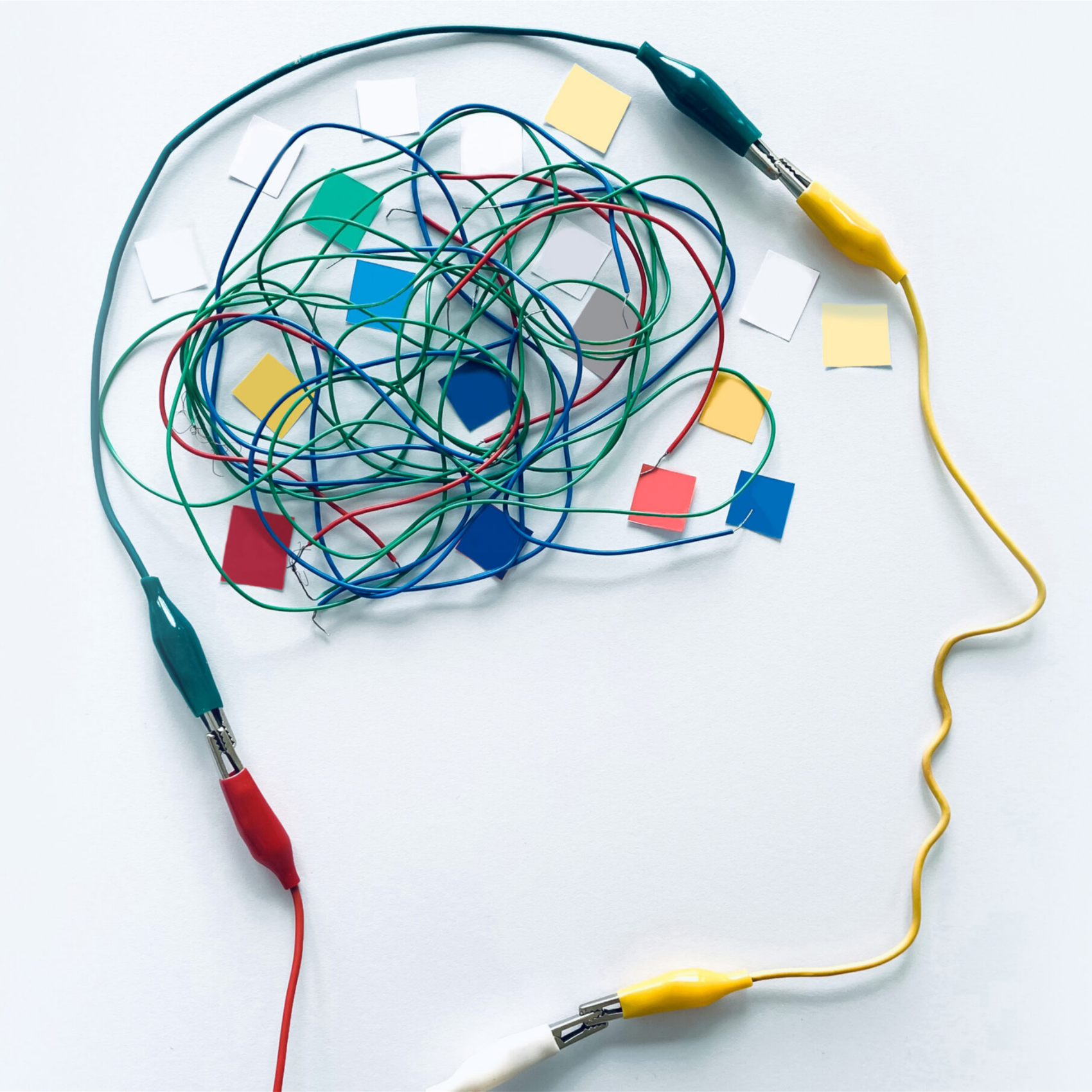
EMDR is an evidence-based therapy focused on how the brain creates and reinforces a narrative from our lived experiences. Utilizing a technique called Bilateral Stimulation, which activates both the logical side and the emotional side of the brain to create a stronger sense of communication between the two, EMDR can highlight a storage of memories to better understand what narratives your brain has created, where these narratives began, how they have been reinforced.
EMDR results in both the decreasing the distress of and the reprocessing of memories and experiences so they can be viewed from a healthier perspective, one that doesn’t hold as much weight. EMDR can be used for numerous reasons, and is highly known for its effectiveness with PTSD and trauma specifically.

Narrative Therapy is an approach in counseling where the therapist helps the client separate their self from their problems or destructive behaviors to then build a new mindset. This therapy aims to encourage and allow you to view yourself as “the author of their own story,” where you can feel empowered in your life to author a new one.
The process includes identifying the narratives that you hold in your belief-system to explore how the interpretations and meaning-making you hold create your reality. This becomes helpful to you as you realize what reality you want to live in, eventually allowing you to leave behind the old story.
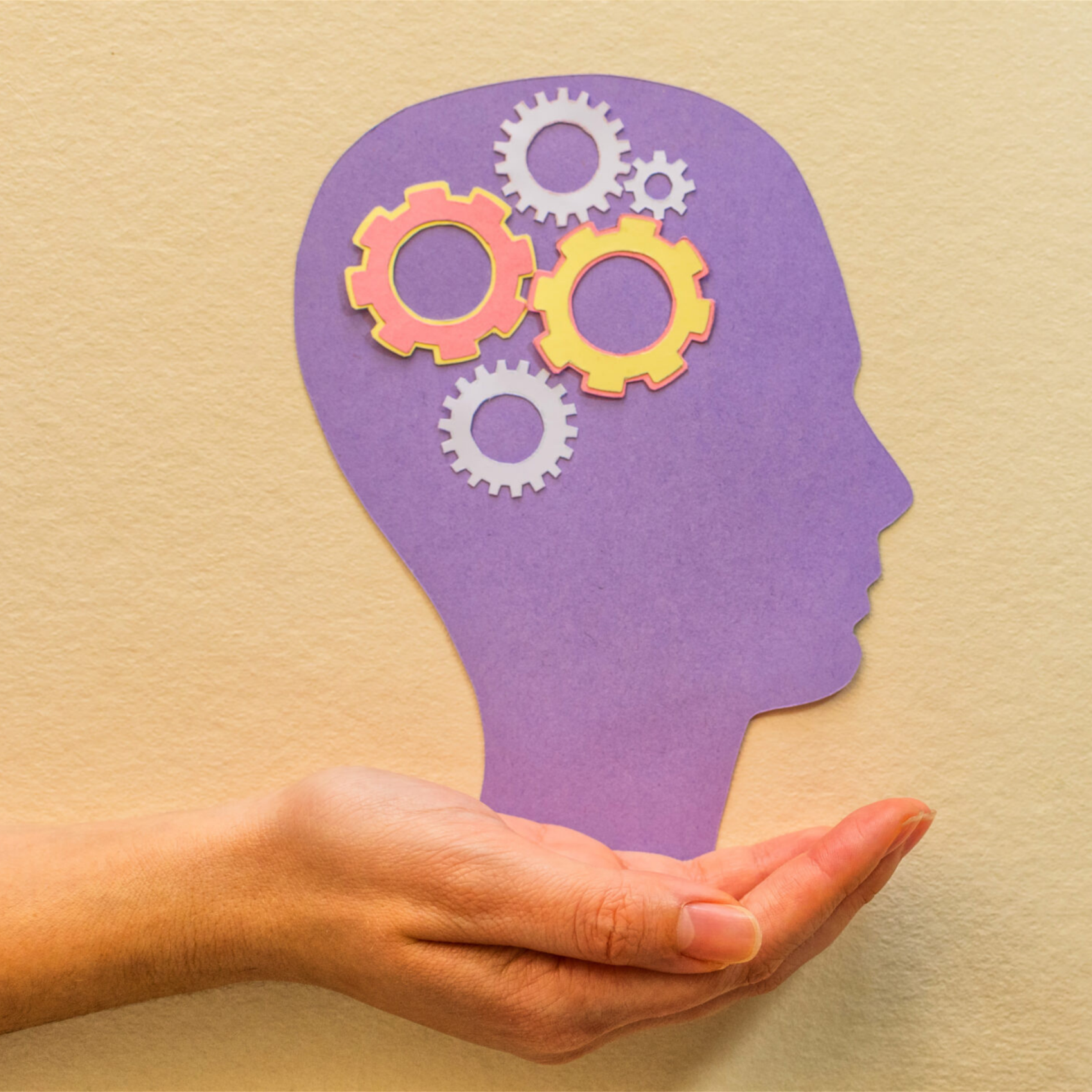
CBT focuses on helping you understand how your thoughts, feelings, and behaviors influence the way you experience the world. It is grounded in the principle that the interpretations of events, rather than the events themselves, contribute to the difficulties that encourage you to seek therapy. Once we work to recognize these patterns we’ll develop practical tools to challenge and replace them with more balanced, realistic perspectives.
CBT is highly goal-oriented and typically focuses on a hopeful future rather than dwelling extensively on past traumas. There is a plethora of evidence for CBT being effective for a variety of concerns including anxiety, depression, ADHD, trauma, and general life stressors.

Solutions-Focused therapy is a future-oriented therapy approach that emphasizes your strengths and resources rather than focusing on your diagnosis or past. It operates on the belief that you already possess many of the skills necessary to create change but need help directing your attention towards practical solutions. By identifying the “exceptions”—times when your problem was less intense or absent—individuals we will work to uncover specific behaviors that are already working for you.
We’ll work together to develop goals after visualizing a life where your problem is solved and it is a short-term therapy modality designed to produce rapid, measurable improvements in your life.

Emotionally Focused Therapy is an approach to help map emotions out to then navigate change and behaviors in your life. It focuses on helping you identify, explore, and transform emotions that can make life difficult. By making sense of and processing these feelings rather than suppressing them, you can develop better emotional intelligence and create lasting changes in their lives and relationships.
As you develop a deeper connection with your emotions, you are able to exist in your relationship in a whole new way, with a fresh viewpoint for both your loved one(s) and yourself. The research shows that over 85% of couples/relationships who engaged in EFT experienced a noticeable difference in their intimacy and the way they engaged together – the research also shows that these changes last.
As therapists, we strive for our clients to arrive at a place of clarity. We often say that awareness is the foundation for healing as a person, and without it, those things can’t fully be developed.